
Over Half of All Global Malaria Cases Occur in Sub-Saharan Africa: Causes and Solutions

Online Work: Can It Offset Rising Inflation and Unemployment Rates in Nigeria?
December 9, 2022
Should Africa Help Solve a Problem It did not Cause: Going Carbon-Net Zero
January 4, 2023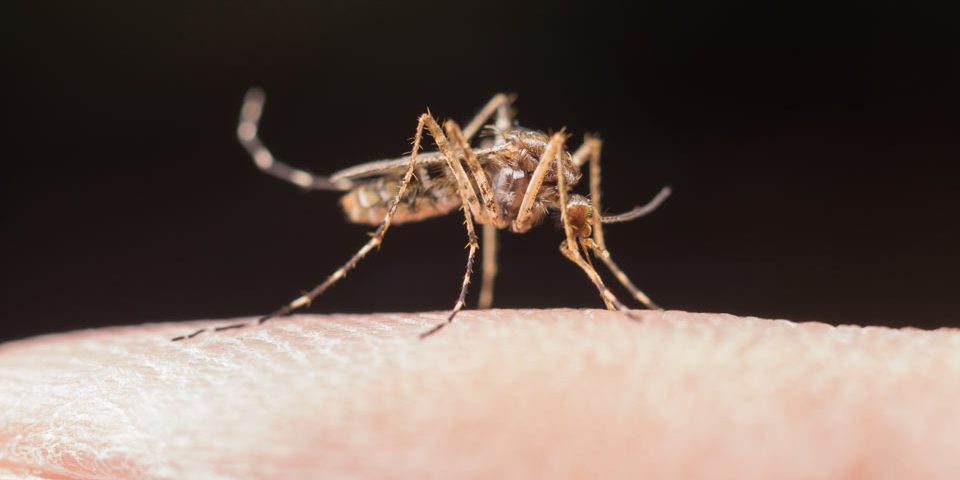
I returned home at night and found my window open. I ran to the cabinet in search of insecticides(shell tox or raid) to exterminate the swarm of mosquitoes buzzing around my face. I paused and asked. How did I spend my childhood and adulthood battling mosquitoes every night when China succeeded in eliminating mosquitoes and combating malaria? I ended up going to bed with my duvet over my feet to my forehead to block out the ubiquitous mosquito music at night (you know that sound, there is a page on TikTok for mosquito sounds if that's what you're into). Fast forward to the pandemic.
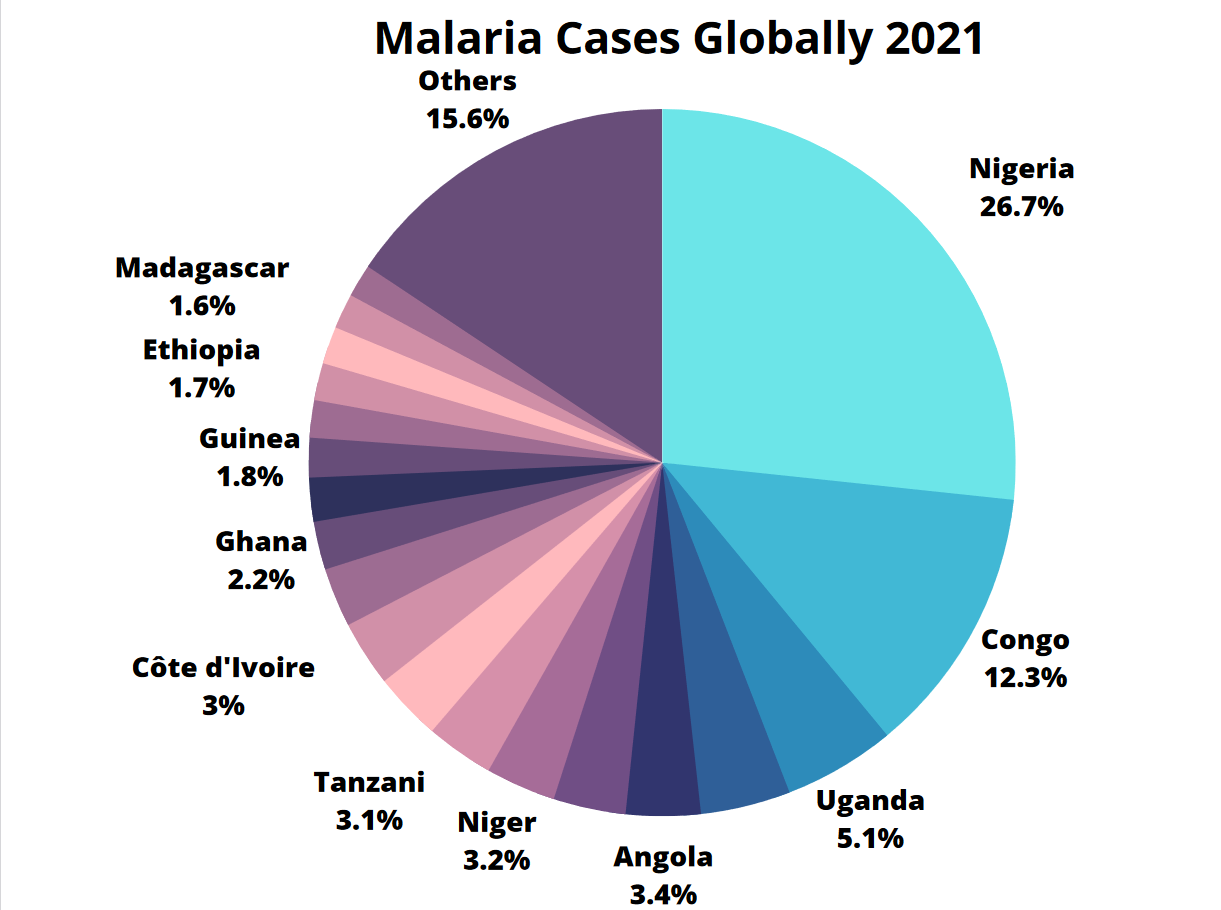
During the pandemic, COVID was not the only disease responsible for a health crisis. In 2021 alone, an estimated 245 million malaria infections occurred worldwide, claiming around 619,000 lives.
While Malaria affects people in 85 countries, over half of all infections occur in just six countries in sub-Saharan Africa. Nigeria, the Democratic Republic of the Congo, Uganda, Mozambique, Angola, and Burkina Faso combined accounted for 55% of all malaria cases globally in 2021.
Malaria is caused by parasites that are transmitted to humans through the bites of infected female mosquitos. When the parasite enters the bloodstream, the first malaria symptoms including fever, headache, and chills typically set in after 10-15 days, although sometimes severe illness and even death can occur within 24 hours.
If the disease progresses, malaria symptoms can include anemia, jaundice (yellow skin and eyes), kidney failure, seizures, and confusion.
Malaria is treated with drugs that kill the parasite. The drugs used and the duration of malaria treatment differs depending on the type of malaria parasite, the severity of symptoms, the patient’s age and clinical status, and previous use of antimalarials.
Malaria treatment is a constant battle as the parasites are capable of building resistance against the drugs used to kill them. Fortunately, vaccination is an effective way to prevent infection. Researchers continue to work on producing more efficacious malaria vaccines.
The fight against malaria is still very much ongoing. Over recent years the number of infections worldwide has remained steady in spite of efforts by international organizations, governments, and NGOs to curb the disease. The situation in sub-Saharan African countries in particular is worrisome.
Mosquitos that spread malaria, and the parasites that cause the disease, thrive in the climate of sub-Saharan countries. The temperature is neither too warm nor too cold to negatively impact mosquito life-cycle development and parasite growth.
Abundant rainfall in the region creates watery environments that serve as breeding sites for malaria transmitting mosquito species. During the rainy season, rain pools and water bodies created by river floodings are active incubation sites. During the dry season, the main breeding sites are man-made surroundings such as irrigation canals, water pipes, neglected wells, and ditches.
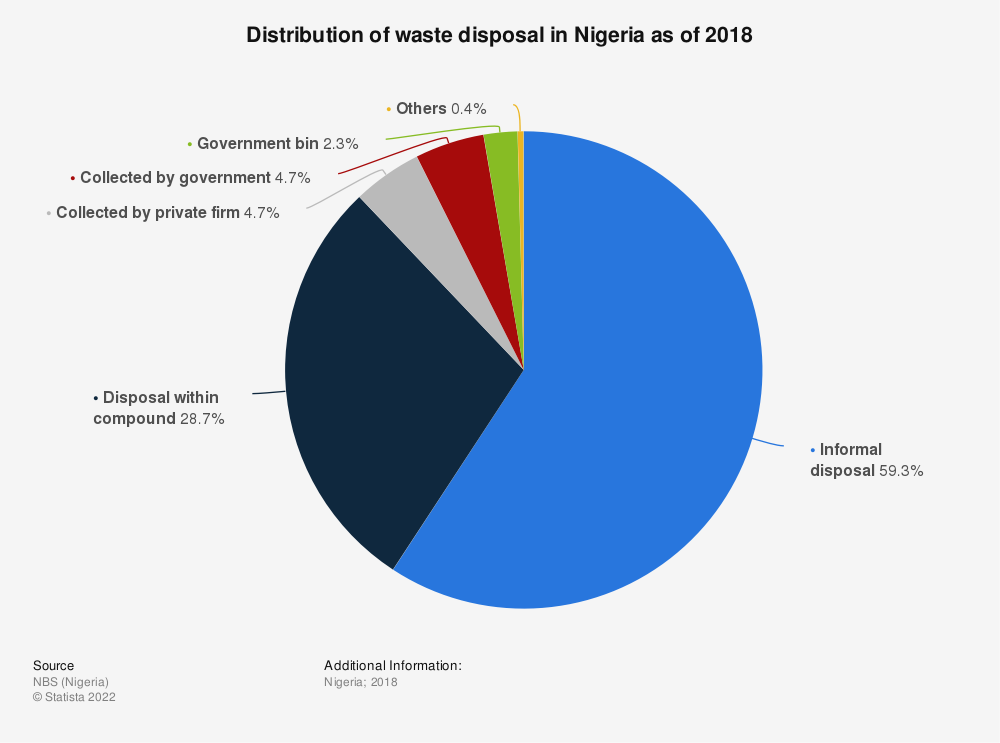
Poor urban planning and waste management in sub-Saharan countries also contributes to the high rate of malaria infections. Open drainage systems in and near cities create pools of stagnant water that constitute habitats for mosquito breeding.
Poverty in sub-Saharan countries facilitates the spread of malaria, as the disease disproportionally affects those least able to afford preventive measures and medical treatment. A lack of government funding for malaria control programmes, and health care systems that are characterized by limited access to medical services and products, further limit the capacity of sub-Saharan countries to combat the disease.
In June of 2021, the world health organization declared China to be malaria-free after 70 years of control efforts. This achievement offers hope for sub-Saharan African countries, as it shows that continued efforts can result in termination of the disease.
Particularly effective was China’s whole-government approach—It was not just the health sector that was involved in combating the disease. Departments and municipalities at all levels contributed. This ensured that malaria outbreaks throughout the county were identified in time and the disease was prevented from spreading.
China’s long-term efforts included, sanitizing, spraying livestock sheds, eradicating mosquito breeding places, and treating the infected. China was the first nation in the world to deploy insecticide-treated bed nets. The deployment of these nets as well as indoor residual spraying are now the vital components of elimination strategies.
If African countries want to emulate China’s success in eradicating the disease, governments must ensure that malaria-eradication programs are adequately organized and continuously funded.
The development of network systems that facilitate timely reporting and allow for preventing transmission of the disease can help prevent outbreaks.
Sub-Saharan Africa's health systems must be strengthened. Effective capacity building efforts should include training and retraining of healthcare workers to avoid health workforce attrition. The scarcity of health facilities must be addressed through the construction of modernized healthcare centers and the renovation of pre-existing facilities.
Finally national, cross-border, and regional malaria response efforts must be stepped up. Even if one country manages to eradicate malaria within its territory, reintroduction of the parasite is bound to occur if other African countries remain affected.
China serves as an example that stopping malaria is possible. If African countries keep malaria on the agenda and intensify their combined effort to eradicate the disease, a malaria-free world will eventually be realized.
Over Half of All Global Malaria Cases Occur in Sub-Saharan Africa: Causes and Solutions

 English
 Arabic
 English
 French
 German
 Hausa
Hausa Igbo
Igbo Portuguese
 Shona
Shona Spanish
 Swahili
 Yoruba
 Zulu
Zulu