
Online Work: Can It Offset Rising Inflation and Unemployment Rates in Nigeria?

Over Half of All Global Malaria Cases Occur in Sub-Saharan Africa: Causes and Solutions
December 16, 2022
A student jumps from bus to bus under the scorching hot sun, curricular vitae under the arm, going from office to office, only to hear the same line over and over again, “I am sorry”, “we will get back to you.”
At the same time, another student is driven in his father’s airconditioned Benz to uncle’s office. Uncle is the Managing Director of a foremost Nigerian Bank. After a few formalities, the student starts his career as a banker. “Hard work pays” is no longer a viable catchphrase. It is all about connections and “packaging.”
Research shows that about 600,000 students graduate from higher institutions in Nigeria every year. Their degree, however, does not guarantee a job. In 2020, youth unemployment in Nigeria (15–34 years old) stood at 35%. And its not only young people, unemployment in Nigeria in general stands at around 33%, and it has been rising.
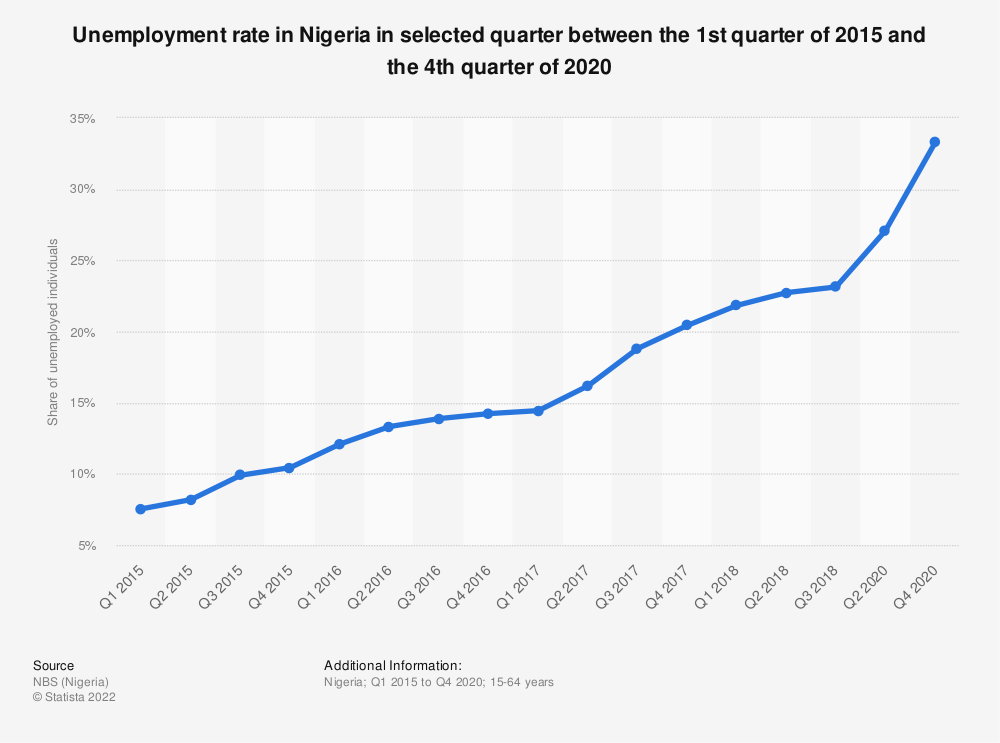
Like the unemployment rate in Nigeria, inflation is also increasing, and climbed above 20% in 2022. This means goods are becoming more expensive while increasing numbers of people have fewer resources at their disposal.
The rising cost of living drives increasing numbers of Nigerians into poverty. While rising unemployment has been linked to the lowering of inflation, as people without a job buy fewer goods, driving demand and prices down, many factors contribute to the current situation of unemployment and inflation rising in tandem.
The fallout from the pandemic is one important cause. When governments around the world ordered people to stay home, the global economy grinded to a halt. To prevent a major economic crisis, central banks turned on their money printing machines.
The problem of printing money is that currencies decrease in value—inflation increases. The Covid print streak was no exception to this rule, and the naira was among the vast majority of currencies to inflate substantially.
The inflationary pressure of the Covid print streak is one of the factors that cancels out the effect high unemployment has on prices. While demand for goods may be down, as many people don’t have a job, inflation is still moving to the upside in Nigeria.
The effects of the pandemic on the Nigerian economy are still not widely understood. However, the Covid-19 crisis appears to have led to increases in unemployment, inflation, and poverty. The World Bank estimates that the pandemic pushed more than 5 million additional Nigerians into poverty in 2022, when measured by consumption of goods and services, bringing the total to around 95 million poor people.
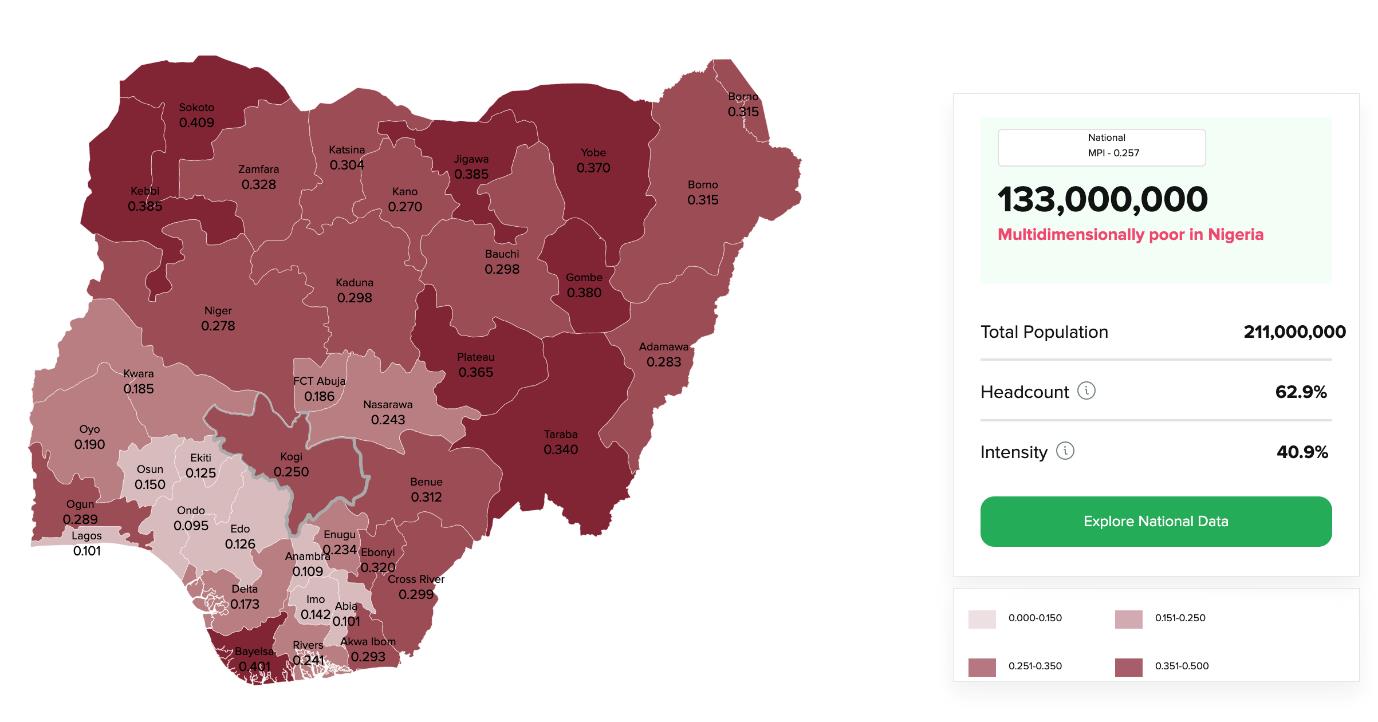
The Nigerian Government published a report that claims that as of 2022, a 133 million people, or 63% of persons living in Nigeria, are now multidimensionally poor. Multidimensional poverty is not only measured by looking at people’s monetary means but also by other factors that determine people’s experiences of poverty including access to nutrition, schooling, and health services.
To prevent a further slide into poverty, it is key to bring unemployment and inflation down. Contingent labor can play a role in achieving this.
Contingent workers are hired on a temporary or fixed-term contract basis to provide services for a specific project or period of time, and include freelancers, independent contractors, and consultants.
Increasing numbers of educated Nigerians work online as contingent workers, where their skills are in demand on freelancing platforms such as Upwork and Fiverr.
Nigeria is one of the most represented countries on Upwork with over 1.5 million freelancers offering their services. Amongst the skills advertised by Nigerians are web development, data entry, customer service, and virtual assistant.
The pandemic has moved the world a whole towards digitalization and remote work. Nigeria is well positioned to capitalize on these developments with its educated English-speaking population.
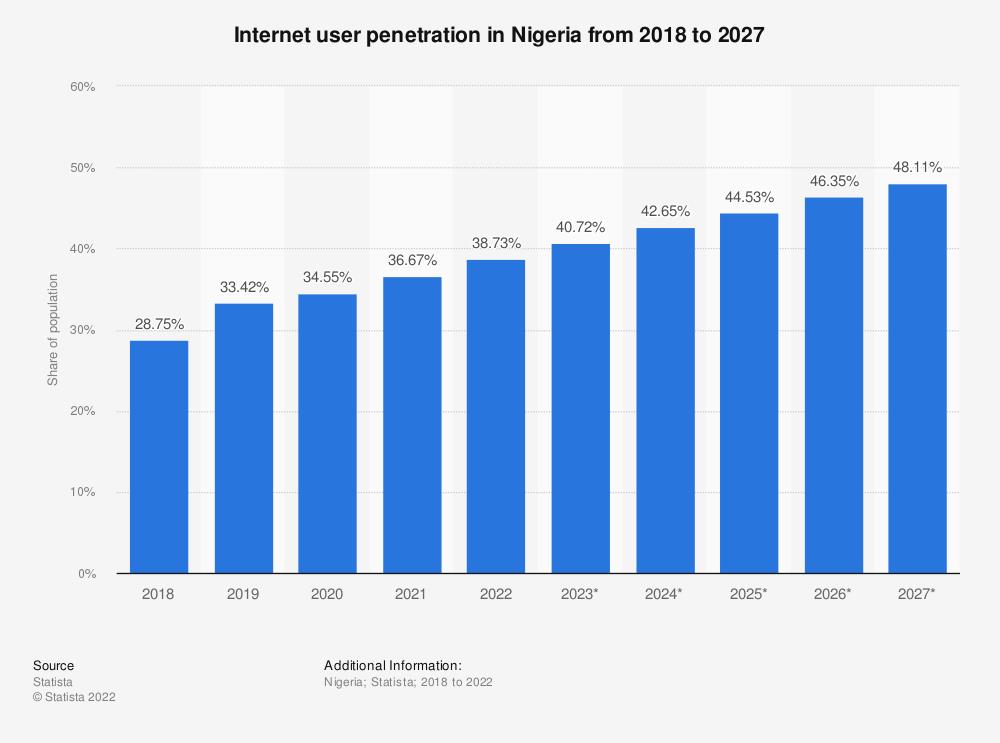
With the lack of employment opportunities in Nigeria, and increasing internet access, the trend of more Nigerians working online is likely to continue. This development doesn’t only keep unemployment down, it also raises tax revenue for the government.
Contingent workers pay personal income tax on a pay as you earn (PAYE) basis. As online freelancing can be lucrative, tax revenue from contingent workers is likely already constituting an important share of the government’s revenue.
This money can, for example, be used for job creation initiatives, such as the one the Nigerian government launched in 2021, which sought to create 750,000 jobs for young people.
Developments like the increase in Nigerian contingent workers can help offset the effects of high unemployment and inflation. While economic circumstances look dire, a young and educated population, which Nigeria has, will proof invaluable. Using powerful tools like the internet, young Nigerians are already leveraging their skills, and helping the country overcome its current predicament.
The unemployment rate in Nigeria has been rising. Youth unemployment in Nigeria is particularly high. Increasing inflation worsens the position of jobless people further, and many are driven into poverty. Online, jobs can still be found, and Nigerians are finding them.

 English
 Arabic
 English
 French
 German
 Hausa
Hausa Igbo
Igbo Portuguese
 Shona
Shona Spanish
 Swahili
 Yoruba
 Zulu
Zulu
2 Comments
This is a good post. I will check back again.
Can I do some AI powered queries?