
Nigeria’s Cash Withdrawal Limit Policy: Moving Towards a Cashless economy

Over Half of All Global Malaria Cases Occur in Sub-Saharan Africa: Causes and Solutions
December 16, 2022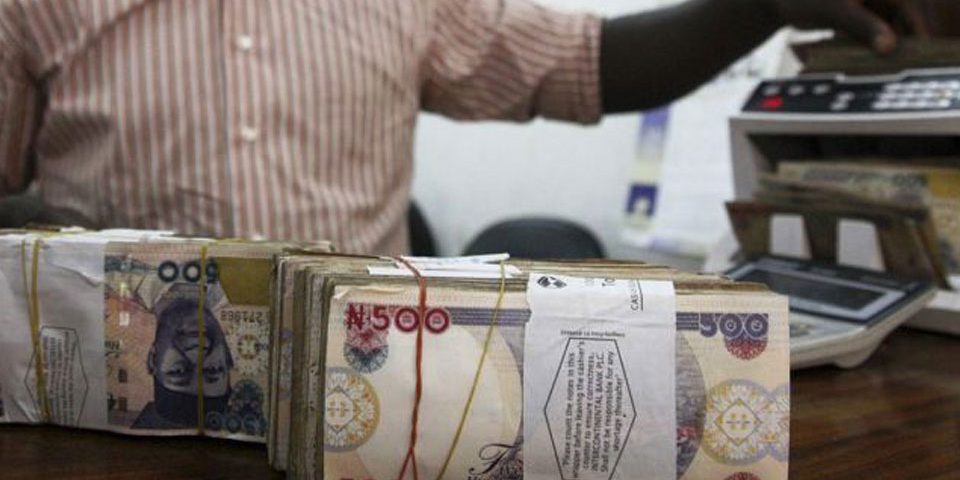
The Central Bank of Nigeria is in the midst of an ambitious and unprecedented move towards a cashless economy. Central to its plan is the redesign of the national currency, the naira. As part of the arrangement all naira banknotes will lose their legal tender status on the 31st of February 2023, meaning that they will become worthless. From that date onwards, new naira banknotes can be withdrawn from Nigerian bank accounts.
Starting January 9, 2023, however, cash withdrawals will be limited to 20,000 naira per day for individuals and 100,000 for corporations. Through this measure, the Central Bank controls the amount of cash in circulation, with the intend of moving Nigeria towards a cashless economy.
Forthcoming, any large amounts of funds that need to be moved from accounts will go through the banking system. This way of moving cash through analog and digital means allows financial authorities more oversight when compared to cash transactions.
Through increased monitoring of transactions, the Central Bank intends to reduce money laundering and corruption, and increase tax revenue.
Money laundering often involves cash transactions. With less cash in circulation and improved monitoring of deposits, undeclared work will be harder to engage in. This, in turn, might increase the share of the Nigerian population earning taxable income. As for corruptions, the increased oversight that analog and digital transacting allows for, will make it harder for corrupt individuals to embezzle money. Cash money going hand to hand is nearly impossible to follow, whereas the analog and digital transfer of funds by corrupt individuals, on the other hand, is much easier to track.
While the benefits of moving towards a cashless society are certainly significant, there are also drawbacks. The withdrawal limit, for example, takes away people’s control over their hard-earned money. In addition, by following people’s every expenditure, state entities tread on the privacy of their citizens.
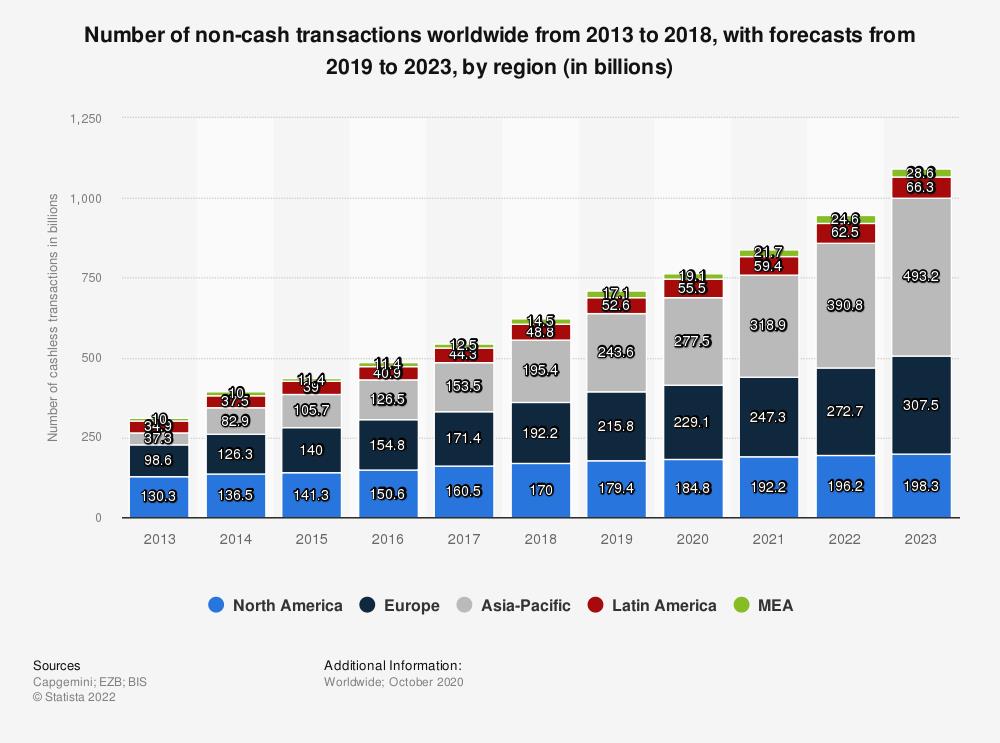
The Nigerian Central Bank is not alone in its pursuit of a cashless economy. Many nations around the world are in the midst of a similar transformation from physical to digital money. In France, for example, bank cards surpassed cash as the most popular means of payment in 2019. In the United Kingdom, cash transactions accounted for just 15% of all payments in 2021, with the most popular means of paying being by bank card. Financial experts estimate that within the decade, cash will be used for only 6% of all payments in the United Kingdom. The use of cash for payments varies per region. While cash transactions in South America, The Middle East, and Africa account for a large share of total payments, the Asia Pacific, Europe, and North America regions account for the vast majority of cashless payments worldwide.
A main reason for Nigeria having a cash-based economy is the fact that many Nigerians lack the means to transact digitally. It was only recently that the share of the population with a bank account passed 50%. At the time of writing, more than 50 million Nigerians do not have a bank account. While some of the unbanked may be transacting through other means such as crypto, the vast majority only transacts in cash.
Nigeria faces a great challenge in its move towards a cashless economy. Whereas many other nations are moving in the same direction, few of them still have a cash-based economy. Over the coming months and years, millions of Nigerians will have to be banked. This adoption will need to be facilitated by financial institutions necessitating the deployment of much capital and requiring much ingenuity.
Before a cashless economy is realized, cash will be sought after by criminals, the corrupt, and the unbanked. The economy will be disrupted as all of them will have to find new ways to get by.
Nigeria’s Cash Withdrawal Limit Policy: Moving Towards a Cashless economy

 English
 Arabic
 English
 French
 German
 Hausa
Hausa Igbo
Igbo Portuguese
 Shona
Shona Spanish
 Swahili
 Yoruba
 Zulu
Zulu