
Aquacultural Resources: Crucial to Africa’s Economic Development

Nigeria’s National Population Census and the Challenge of Insecurity
February 10, 2023
The Demerits of Child Malnutrition in Africa and the Way Out
February 17, 2023Aquaculture is the breeding, raising and harvesting of aquatic organisms such as fish, shellfish, mollusks, and aquatic plants for food production. Africa is a continent with a wide variety of marine life, which makes it a prime destination for both coastal and offshore fishing. Marine fisheries play a crucial role in Africa's economy, providing essential nutrients for local and international markets. In order to ensure sustainable development, it is crucial to provide information about the management of fisheries.
Many African coastal nations depend on their marine resources. West Africa is one of the world’s most economically significant fishing regions. According to Food and Agricultural Organization of the United Nations, global inland production was estimated at 11.2 million tones in 2010, of which Africa contributed about 2.5 million tones. Uganda and the United Republic of Tanzania are the leading fishing countries in African Great lakes region, while Nigeria and Egypt, with their river fisheries remain the main producers in Africa. Additionally, Namibia and South Africa are major players in the marine fish market, exporting between 80 and 90 percent of their fish annually. Small fish such as herring and sardines are the most common catch on the African coastline. 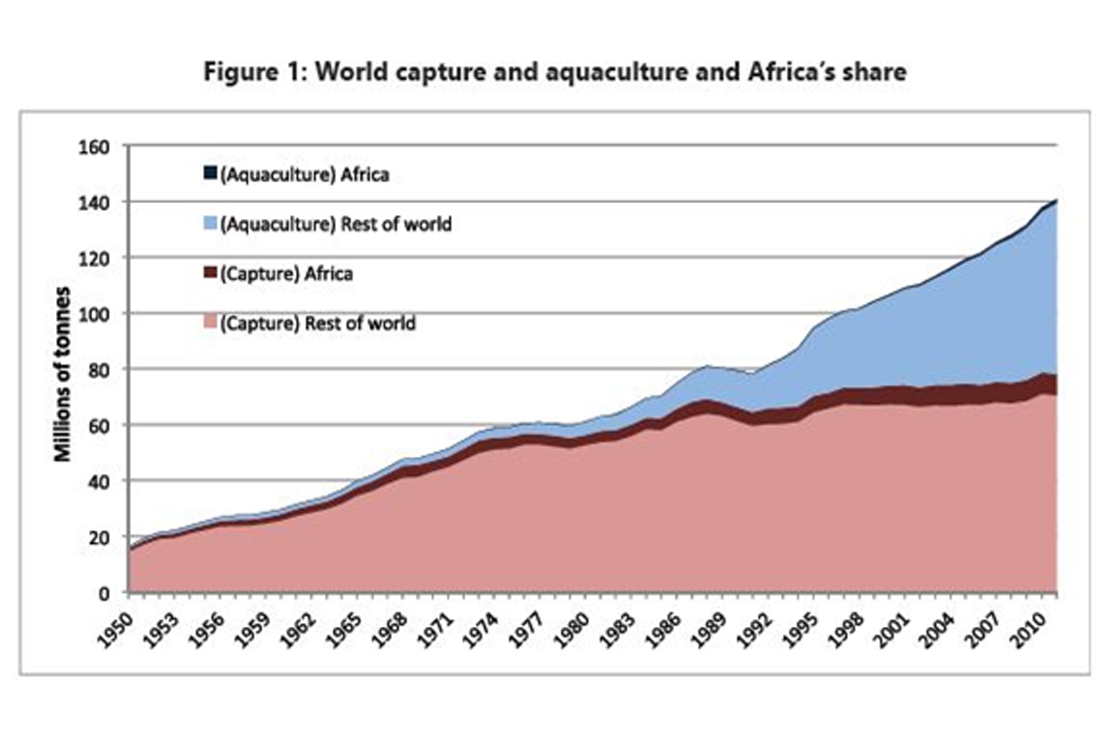
The economic significance of marine fisheries in Africa cannot be overstated. Fishing is an important economic activity in many African countries, providing employment and income opportunities to thousands of people. Marine fisheries are also a major export commodity, providing much needed revenue to many African nations.
Africa’s Great Lakes support the largest inland fisheries in the continent. Lake Victoria which is the African gem, lying mainly in Tanzania and Uganda but bordering on Kenya is the most productive freshwater fishery in the world, producing more than 500,000 tons of fish worth $600million every year. The Nile perch, which spreads through a highly prized catch that can weigh more than 45 kilograms (100 pounds), and the Nile tilapia are Lake’s Victoria’s dominant commercial fish species.
Much like forestry, Africa’s fishing sector suffers from overharvesting. There are a number of factors that have led to overfishing in Africa. The lack of proper management and enforcement regulations has allowed for illegal and unregulated fishing practices to be carried out. Overfishing has been a significant problem for the African fishing industry which is majorly influenced by the Western nations. African countries have historically been vulnerable to exploitation by foreign fishing fleets and the depletion of their aquatic resources has been a major issue for many countries. The foreign fleets have been fishing in African water for decades, leading to exploitation of the fish stocks. Senegal is one of the countries that suffer the most from foreign fishing fleets as they have been depleting the fish stocks in Senegalese waters in recent years. Due to this, the livelihoods of African fishermen who rely on fishing for their income has been significantly impacted and also slowing down the economic growth in the continent.
Contaminated water has also had a devastating effect on African Aquatic resources. Water quality has declined due to pollution from industry such as toxin, chemicals and agricultural wastes which has reduced fish species variety and abundance.
In order to adress this, it is necessary to implement proper management and enforcement regulations. Foreign fleets should be regulated, with restrictions on the amount of fish they are allowed to catch.
The Partnership for African Fisheries (PAF) is being implemented to strengthen Africa’s fisheries sector. PAF should focus on stricter regulations and environmental management. These processes will increase fishery revenue and promote the sustainable use of marine and inland fish resources.
There is need to Establish better fishing regulations in order to ensure sustainability and efficiency. This would help to protect the fisheries and ensure they are managed in a manner that will maximize their potential.
African fishery is a vital sector for economic growth and a source of sustainable revenue. It provides a unique set of opportunities to local communities that can benefit from the sustainable and responsible utilization of aquatic resources.
The African inland fishery can be an important source of income for fishers, if managed properly. It will Provide both a source of food and a source of income for African communities, which will help to reduce poverty in the region.
Finally, aquaculture has great potentials to benefit African countries and their economies, as long as the right policies, regulations and infrastructure are in place to sustain it.
The Rwandan Renaissance: Paul Kagame’s Success Story

 English
 Arabic
 English
 French
 German
 Hausa
Hausa Igbo
Igbo Portuguese
 Shona
Shona Spanish
 Swahili
 Yoruba
 Zulu
Zulu