
Africa and the Legacy of Colonialism: Decolonization after WWII

The Demerits of Child Malnutrition in Africa and the Way Out
February 17, 2023
Africa’s Population Growth: A Blessing or a Curse?
February 22, 2023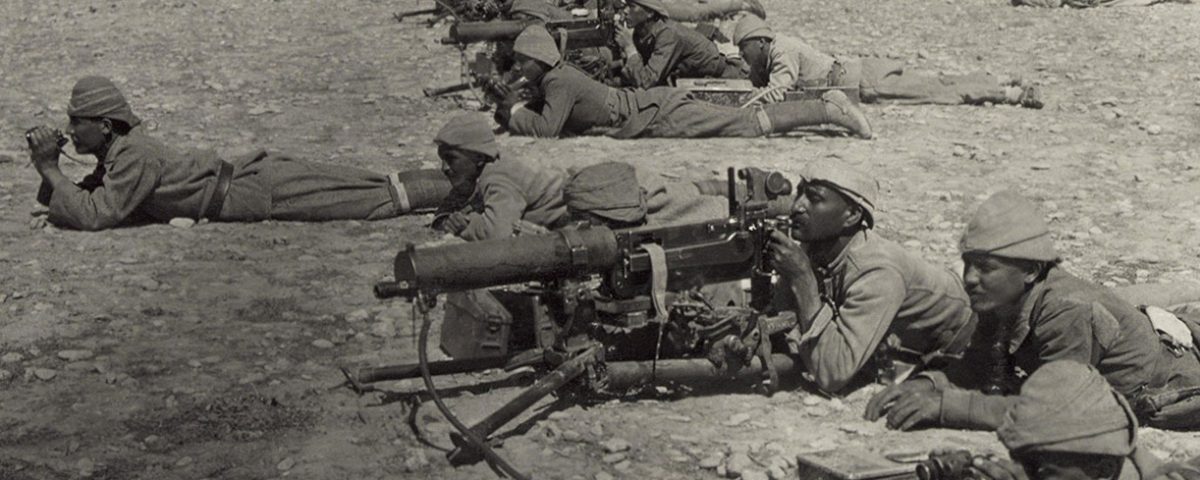
In February 1948, riots broke out in Accra, the capital of the Gold Coast. The cause was the British authorities’ harsh crackdown on protests by Ghanese veterans. The ex-servicemen who fought for their colonizers during World War II, had taken to the streets to demand the government pay out their pensions and other compensations promised to them.
In response to the peaceful march, policemen fired on the protestors, killing three, and prompting major unrest. After the authorities restored order, they arrested six of the protest’s leaders. Among them was Kwame Nkrumah, the man who would become Ghana’s first president. The events of 1948 raised Nkrumah’s profile and marked the beginning of the Gold Coast’s move toward independence.
The Second World War was a catalyst for African political freedom and independence. Some 1 million African soldiers fought on the frontlines for the British, French, Belgians, and Italians. Their efforts were of crucial importance in the North Africa and Burma campaigns in particular.
During the war, African soldiers gained military knowledge, communication skills, and leadership skills they would later use to fight their colonizers.
Africans witnessed Europeans struggle and die in horrific circumstances during the war. This dispelled the white man’s image of invulnerability. Or as Senegalese veteran Ousmane Sembene put it “In war, we saw the white men naked and we have not forgotten that picture.”
The Second World War also exposed the weaknesses of colonial powers. The allies narrowly avoided defeat and suffered major losses to the Empire of Japan, a non-western foe. In the colonies, this ineptitude was noticed.
Furthermore, World War II forced colonizers to redirect their resources and efforts away from Africa, which weakened their influence on the continent. This created an opening for African leaders and activists to push for independence and demand greater political and economic autonomy.
“Initially I saw the white man as someone better than me. But after the war, I considered him an equal,” recalled former infantryman Dauda Kafanchan.
Despite their contributions, African soldiers were often treated with disdain and subjected to discrimination by their colonial commanders. African soldiers' experiences during the war profoundly impacted their understanding of colonialism and the unequal power dynamics between colonial powers and African peoples.
When hostilities ceased, African soldiers found that they were not equally compensated for their efforts. For example, African soldiers were paid three times less in the British army than Europeans. Pensions promised to them also failed to materialize, causing much discontent.
Having laboured just as hard as their colonizers, African veterans realized the extent of inequality and ungratefulness for their efforts.
Going forward, Africans would not put up with mistreatment so easily anymore. So, when western governments failed to compensate them and downplayed the role of colonial soldiers, Africans protested—anti-colonial activism was on the rise.
African calls for independence coincided with the rise of new great powers and organizations sympathetic to the right for self-governance.
In the aftermath of the Second World War, Europe’s imperial powers found themselves severely weakened. The United States (U.S.) and the Soviet Union (SU) became the new hegemons. The European powers’ reduced ability to exercise control over their colonies, and U.S. and SU opposition to imperialism foreshadowed the end of colonialism.
The horror of the war also led to a collective shift in mindset, as people desperately wanted to avoid more tragedy. This manifested in widespread support for equality and human rights resulting in public opinion increasingly condemning colonialism.
Still, it would take liberation movements decades of work to rid Africa of Western powers. Multilateral initiatives such as the Organization of African Unity (OAU) and its successor the African Union (AU) fought hard to remove foreign actors from the continent and undo the legacy of colonialism.
The contributions of African leaders such as Kwame Nkrumah, Nelson Mandela, and Muammar Qadhafi were also invaluable in the struggle against colonialism. Their promotion of African unity and calls for independence brought Africans together against a common enemy.
The Rwandan Renaissance: Paul Kagame’s Success Story

 English
 Arabic
 English
 French
 German
 Hausa
Hausa Igbo
Igbo Portuguese
 Shona
Shona Spanish
 Swahili
 Yoruba
 Zulu
Zulu