
Ghana’s Currency Crisis: How a Booming African Country Fell into Economic Disarray

The Blossoming Africa Relations with the East versus declining US-Africa Relations
February 7, 2023
The Economic Implications of Privatizing the Nigerian National Petroleum Company
February 8, 2023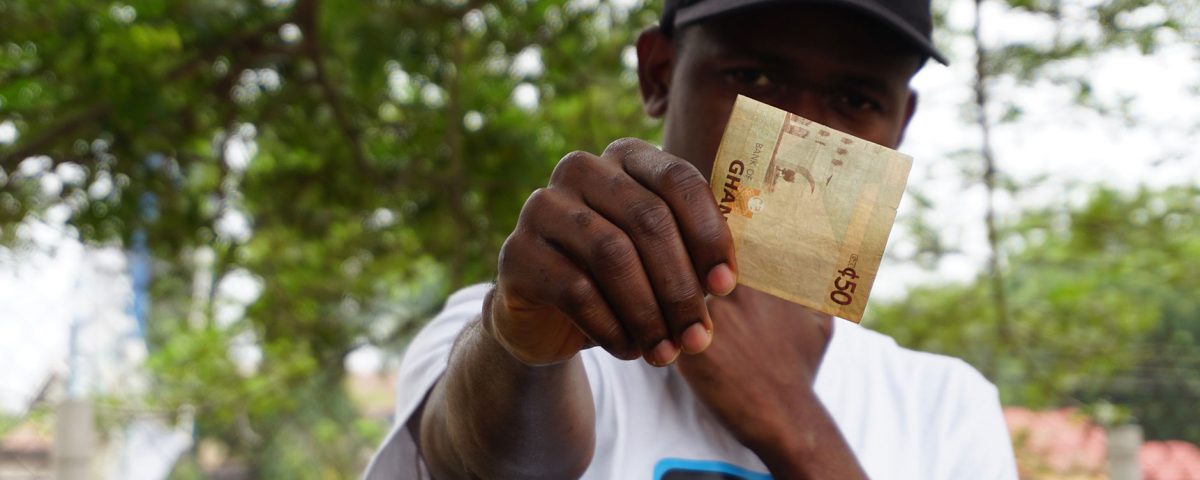
In 2019, the World Economic Forum predicted that Ghana would have the world’s fastest-growing economy that year. It made this assessment based on positive economic indicators.
Positive developments included Ghana’s president Nana Akufo-Addo managing to half inflation to 7.9% during the first two years of his term. He also brought the country’s budget deficit down by almost 25%, and crude oil production was being expanded under his leadership. All of these successes created high expectations for the Ghanese economy.
Four years later, things have turned out differently than projected. Ghana is currently experiencing a severe economic crisis. The national currency, the Cedi, was dubbed “2022’s worst performing currency,” as it had lost over half of its value against the dollar that year.
The Cedi fell hardest in the fall of 2022, following international credit rating agencies downgrading Ghana’s creditworthiness to junk status. They did so because the country struggled to repay its soaring debt.
Ghana’s debt has grown in an explosive fashion in recent years, from 64% of GDP in 2019 to 93.5% of GDP in 2022. Besides the devaluing of the Cedi as a result of Ghana having its status degraded by international credit agencies, the country will now also have a harder time securing future loans.
In 2022, around 70% of the Ghanaian government’s total revenue was spent on debt servicing, complicating its functioning.
To make matters worse, the country’s reserves are running out. In January 2023, the country’s gross international reserves were only sufficient to cover six weeks of government imports. If these imports were to stop, the Ghanaian people would face major shortages of crucial goods.
The public is already feeling economic pain as the devaluation of the Cedi is increasing the cost of imported goods, resulting in inflation reaching 54% in December of 2022.
The devaluation of the Cedi against the Dollar is extra painful because the Ghanaian economy is characterized by the export of raw materials such as gold and cacoa and the import of finished goods. Therefore, nearly all finished products are imported from abroad and paid for in U.S dollars. Many of these goods are used for local production, and as their acquisition price increases, so does the cost of local products, increasing inflation.
The increase in the cost of living already resulted in the first signs of social unrest. In November 2022, as fuel and food prices spiralled, more than 1,000 protesters marched through the capital Accra, demanding the president step down.
So, how did Ghana get here?
Its economic decline has several reasons. Some causes were outside the Ghanaian government's control, while others weren’t.
For example, the pandemic and the war in Ukraine are events creating economic pain globally. Central Banks around the world tightening their rates, causing the global economy to contract, is another factor outside the Ghanaian government's control.
Domestic economic mismanagement and widespread corruption, however, is something the Ghanaian government does hold responsibility for.
Following positive economic signs in recent years, the government went on a borrowing and spending spree. Much of this capital was not invested in ways that effectively drive economic growth.
Instead, the Ghanaian government engaged in unsustainable socialist policies, including providing the population with free food, education, and electricity. Much capital was also spent on sustaining the government, the country’s largest employer.
The Ghanaian government is now taking measures to reverse the economic trend and make right for its mistakes. It implemented a hiring freeze in the public sector and increased taxes. It is also in the process of restructuring its debt and received a $3 billion emergency loan from the IMF. The restructuring intends to make the debt more manageable in the long term.
If successful in its measures, the government hopes to reduce its debt-to-GDP ratio to 55% by 2027.
The Rwandan Renaissance: Paul Kagame’s Success Story

 English
 Arabic
 English
 French
 German
 Hausa
Hausa Igbo
Igbo Portuguese
 Shona
Shona Spanish
 Swahili
 Yoruba
 Zulu
Zulu